By Matt Day | Day Dreams Remodeling
Table of Contents
Key Takeaways
- Brightening a dark room works best when you combine more natural light, light-reflecting paint and surfaces, and layered artificial fixtures rather than relying on any single fix.
- Adding light to a dim space is about restoring daily comfort and function, not just looks, since brighter rooms are easier to use and can trim energy costs.
- Diagnosing whether a room’s darkness stems from window placement, light-absorbing finishes, or structural layout is the essential first step before planning any brightening upgrade.
- Treating a dark-room upgrade as an ordered sequence, daylight first, then layered lighting, lighter surfaces, and reflective accents, prevents costly rework and delivers a brighter, more open result.
How to Brighten Up a Dark Room: Where Do You Begin?
Learning how to brighten up a dark room starts with layering three strategies: pulling in more natural light through windows and skylights, using lighter paint colors and reflective surfaces that bounce light around, and adding well-planned fixtures that reach every corner. Combine those elements and even a windowless room can feel open and welcoming. The U.S. Department of Energy notes that skylights and solar tubes can bring daylight into rooms, even interior spaces without windows. In this guide, Day Dreams Remodeling walks Miami Valley homeowners through practical, craftsman-tested ways to lift a gloomy space, from paint and fixture swaps to structural upgrades made during a whole-home remodel. Want proof? Browse our project gallery to see dark rooms reimagined.
Why Does Brightening a Dark Room Matter?
Brightening a dark room means intentionally increasing the usable, comfortable light in a space that feels dim, closed in, or gloomy, whether the cause is too few windows, deep floor plans, or dated finishes. Understanding why a room feels dark matters because light shapes how a home functions every day: dim kitchens feel cramped, and shadowy bathrooms can seem harder to keep clean. According to the U.S. Department of Energy, daylighting can reduce a home’s lighting, heating, and cooling costs, so a brighter room can also be a more efficient one. Why settle for a space you tend to avoid when thoughtful design can reclaim it? For homeowners across the Miami Valley, understanding the brightening process early helps set realistic goals before work begins. At Day Dreams Remodeling, we walk clients through our remodeling process and share a transparent pricing guide so improvements fit both the home and the budget.
What Makes a Room Feel So Dark?
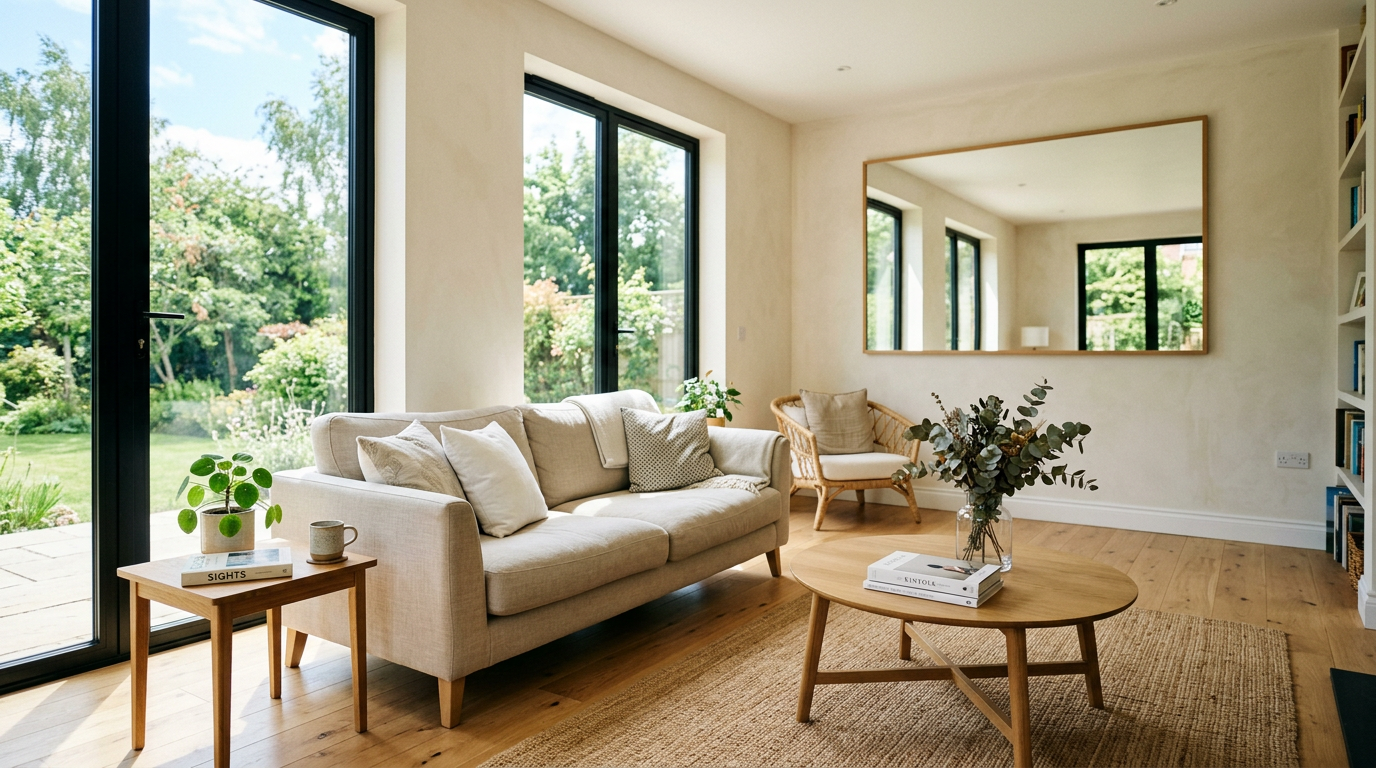
Wondering how to brighten up a dark room usually starts with pinpointing why the space feels dim in the first place. The most common causes are both structural and cosmetic: too few or undersized windows, a north-facing or shaded exterior wall, deep floor plans that push living areas far from any glass, and finishes that swallow light instead of reflecting it. Dark paint, heavy window treatments, low-sheen ceilings, and dated fixtures with weak or yellowed bulbs all compound the problem. At Day Dreams Remodeling, we often see homeowners in Saint Paris, Urbana, and Troy, OH assume they need a full addition when a smarter layout, better fixtures, or a relocated window would transform the room. The warning signs are easy to spot once you know them: you reach for a lamp at midday, colors look muddy or gray, corners stay shadowed, and rooms feel smaller than their square footage suggests. Kitchens and bathrooms show these symptoms most, because tight sightlines and few exterior walls limit natural light. Understanding these causes is the real foundation of any brightening plan, and it shapes every recommendation a trusted contractor makes. If you are weighing whether to bring in help, our guide to finding the best home remodeler explains what to look for, and our overview of what a bathroom renovation contractor does shows how professionals diagnose and correct these lighting issues room by room.
Why Does Window Placement Matter Most?
Why does window placement matter most? Because orientation decides how much usable daylight ever reaches the room. Windows on the north and south sides tend to let in steadier natural light with easier glare control, while east- and west-facing glass is trickier to manage. When a wall has no window at all, solar tubes and skylights can bring daylight into interior spaces, according to the U.S. Department of Energy. That is why any brightening plan should start by mapping where light already enters.
How Can You Spot Poor Lighting?
How can you spot poor lighting before committing to changes? Walk each room at midday with every fixture off and note where you still reach for a switch. Watch for gray or muddy paint tones, shadowed corners, and glare that forces squinting beside a single window. Photograph the space at different hours to compare. These simple observations reveal whether the answer is fresh finishes, added fixtures, or a structural change, and they shape the smartest brightening approach.

- Too few or undersized windows, or a north-facing wall that limits direct sun
- Deep floor plans that place living areas far from any exterior glass
- Dark paint, heavy drapery, and matte surfaces that absorb rather than reflect light
- Outdated fixtures or low-output bulbs with weak color rendering
- Mature trees, porches, or wide overhangs shading the exterior wall
- Reaching for artificial light at midday, a clear sign the room needs brightening
Rule of Thumb Before You Renovate
- Diagnose before you demolish: identify whether darkness comes from lighting, finishes, or structure before spending on brightening upgrades.
- A midday walk-through with the lights off usually reveals the true cause, which is where a licensed, insured team like Day Dreams Remodeling adds real value.
Quick Facts
- 1-Year – Craftsmanship warranty backing every completed remodel
- 2022 – Year Matt and Jenna Day founded Day Dreams Remodeling in Saint Paris, OH
- Free – In-home consultations with ballpark pricing shared upfront
- 3D – Design options to preview a brighter space before work begins
In What Order Should You Brighten a Room?
Brightening a dark room works best as a sequence, not a single fix: assess the space first, then layer light, color, and reflective surfaces in a deliberate order. Approaching the upgrade this way keeps each choice from undoing the last. Begin with orientation and existing openings, since daylight is the foundation. The U.S. Department of Energy explains that natural-daylight homes optimize window and skylight placement to harvest natural light in the home, so structural window changes belong early. With the daylight strategy set, add layered lighting: ambient fixtures for fill, task lighting for work zones, and accent lighting for depth. Then lighten the surfaces and add mirrors and reflective finishes to bounce light deeper into the room. Sequence matters because each step reshapes the next, so folding these updates into a larger kitchen remodeling or bathroom remodeling plan keeps the work efficient and the finishes cohesive. Approached as staged craftsmanship, the kind Day Dreams Remodeling is built around, a well-planned brightening upgrade turns a gloomy space into an open one.
- Assess your daylight, noting which direction the room faces and how much light it gets.
- Address the openings, adding or enlarging windows or a skylight where budget and structure allow.
- Layer your lighting with ambient, task, and accent fixtures so no corner stays dark.
- Lighten your surfaces with reflective, light-toned paint, ceilings, and flooring.
- Add reflective accents like mirrors and glossy tile to spread light.
- Coordinate with a professional; knowing what to expect when working with a contractor keeps the sequence on track.
Rule of Thumb: Light Before Finishes
- Always settle your daylight and lighting plan before committing to paint and finishes. Because the right brightening approach depends on how surfaces respond to added light, choosing finishes first often means repainting later. Lock in the light first, then choose finishes to match.
Which Options Brighten a Dark Room Best?
Brightening a dark room comes down to layering three approaches: adding light, reflecting it, and letting more daylight in. Efficient artificial lighting handles the first job, pale paint and mirrors bounce that light around, and structural changes such as windows or skylights address the rest. Knowing the right approach means matching each option to the room’s real limitation. LED bulbs and fixtures deliver bright, color-accurate light while cutting energy use, the simplest first move. Reflective finishes and well-placed mirrors stretch existing light without construction. For rooms starved of natural light, tubular daylights and skylights bring the sun indoors, though they need planning and permits. At Day Dreams Remodeling, we help homeowners weigh these choices during a kitchen project in Urbana or a bathroom remodel, blending lighting, finishes, and daylighting into one plan. So which option wins? The best answer to how to brighten up a dark room usually combines several rather than relying on a single fix.
Brightening Option | Best For | Key Figure | Planning Note |
|---|---|---|---|
LED bulbs and fixtures | Everyday overhead and task lighting | Up to 90% less energy, last up to 25x longer than incandescent (Department of Energy) | A 1,100-lumen LED equals a 75-watt incandescent, drawing as little as nine watts |
ENERGY STAR fixtures | Your five most-used light fixtures | About 75% less energy and 75% less heat than traditional lighting (ENERGY STAR) | Replacing five fixtures can save about $70 a year |
Tubular daylights and skylights | Interior rooms with little natural light | Lighting is about 15% of an average home’s electricity use (DOE Energy Saver) | Tubular daylights or skylights add daytime light to darker spaces |
Adding or enlarging a window | Basement and below-grade rooms | Permit requires two sets of construction documents (Montgomery County) | Floor plans drawn to 1/4in = 1ft scale, with egress windows shown |
Ready to Transform Your Dark Room?
If a brighter space calls for more than new fixtures, our in-house carpentry and flooring craftsmanship can open up walls, rework a layout, and rebuild a room from the studs out. Every project at Day Dreams Remodeling starts with a free consultation, ballpark pricing upfront, and daily updates so you always know what comes next. Schedule your consultation to see the possibilities in 3D.
Frequently Asked Questions