By Matt Day | Day Dreams Remodeling
Table of Contents
Key Takeaways
At its core, a shower to tub conversion removes an existing shower and installs a bathtub in its place, often as one part of a larger bathroom remodeling plan.
The cost of a shower to tub conversion depends on your bathroom's size, the tub you choose, and whether the plumbing must move.
A shower to tub conversion replaces a walk-in or stall shower with a functional bathtub, giving households a place to bathe young children, relax after a long day, and broaden a home's appeal.
In this guide, Day Dreams Remodeling explains what the project involves, why so many homeowners choose it, and how to plan the work with confidence from the very first consultation.
What Is a Shower to Tub Conversion?
Shower to Tub Conversion: What Homeowners Should Know
Thinking about bringing a bathtub back into a bathroom that only has a stall shower? A shower to tub conversion replaces a walk-in or stall shower with a functional bathtub, giving households a place to bathe young children, relax after a long day, and broaden a home's appeal. In this guide, Day Dreams Remodeling explains what the project involves, why so many homeowners choose it, and how to plan the work with confidence from the very first consultation.
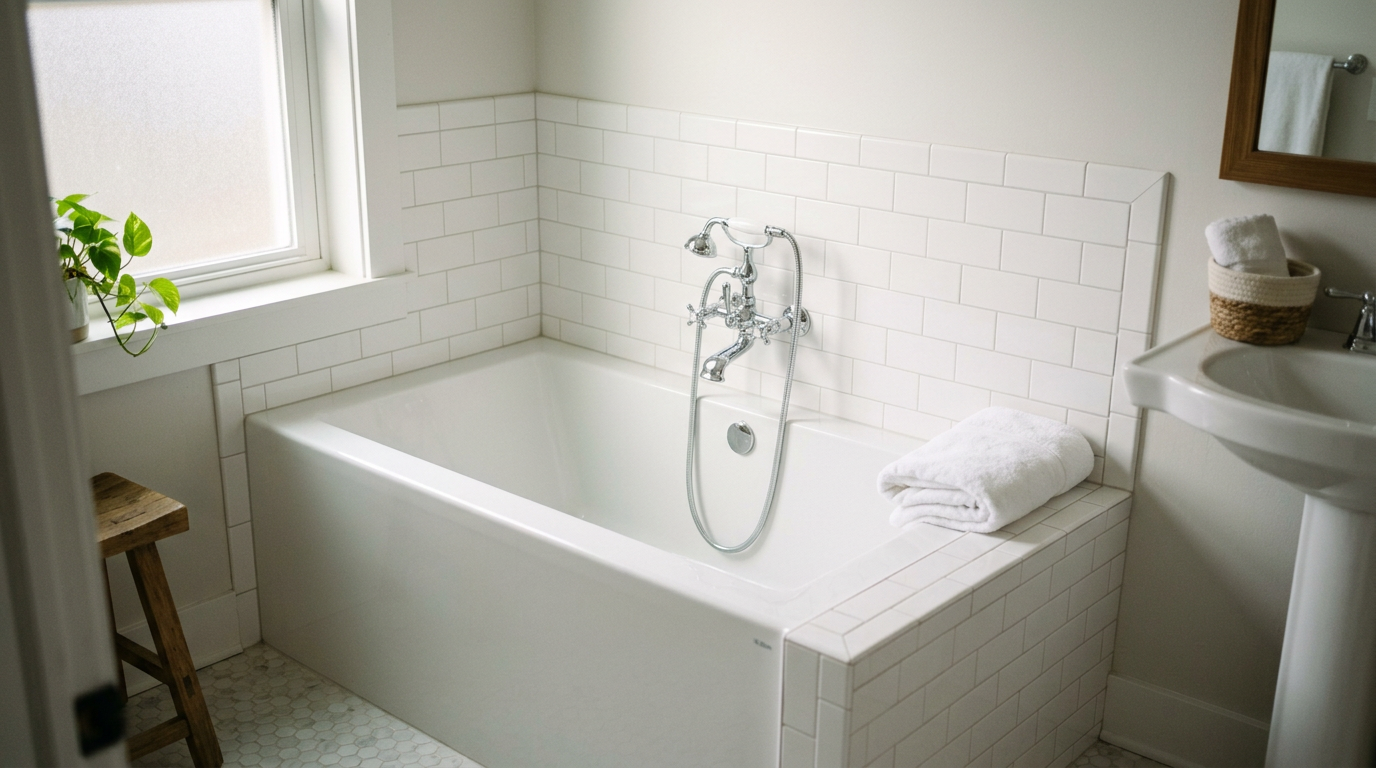
So what exactly is involved, and why does it matter? At its core, a shower to tub conversion removes an existing shower and installs a bathtub in its place, often as one part of a larger bathroom remodeling plan. Many homeowners pursue the change to restore bathing options for young children, create a more comfortable place to unwind, or make a single-bath home more appealing to future buyers. The work itself reaches well beyond a simple fixture swap, since it can include rerouting plumbing and drains, framing a new tub deck, and rebuilding the surrounding walls. This is where careful construction pays off: the U.S. Department of Energy notes that special protection is needed behind showers and tubs to prevent moisture from seeping into the wall structure. For families weighing their routine, resale plans, and bathing needs, it helps to start by comparing a tub and shower before committing.
What Drives a Shower to Tub Conversion?
How do you know it is time to consider a shower to tub conversion? At Day Dreams Remodeling, we often see the same handful of signals repeat across projects in Saint Paris, Troy, and the surrounding communities. The most common is a growing family, because parents of young children frequently need a safe, contained place to bathe little ones, and a walk-in shower simply cannot fill that role. Resale is another strong driver, since many buyers still expect at least one bathtub somewhere in the home. Other homeowners are worn down by a cramped, dated shower stall that has started to leak, stain, or trap mildew in the grout. Some are craving a quiet soaking option after a long day, while others realize a poorly used corner of the bathroom could finally work harder for them. As an experienced Urbana bathroom remodeler, our team listens first, then explains the realistic options. Curious how a project actually unfolds? Our remodeling process walks you through planning, selections, and daily updates, so nothing feels like a mystery. Recognizing these signs early lets you plan a shower to tub conversion with confidence, rather than reacting to a fixture that has already failed.
Which Warning Sign Matters Most?
If you can only watch for one red flag, make it water. Persistent leaks, soft or spongy drywall, peeling paint, or a musty odor near the base of a shower usually mean moisture is working behind the walls, and that is the sign worth acting on first. Catching it early protects the framing and subfloor before they need costly repair. Whether you are adding a tub or exploring tub to shower conversions, a careful demolition reveals exactly what is hiding underneath.
Rule of Thumb: Keep One Tub in the Home
If your home has only one bathroom, keep a bathing option there, because many families and future buyers still want a tub.
Treat any leak, soft floor, or musty odor as a reason to inspect the framing before the new tub goes in.
Day Dreams Remodeling confirms permits and inspections up front, since moving plumbing for a tub is regulated by code.
Bathroom Detail | Documented Figure or Standard | What It Means for Your Conversion |
|---|---|---|
Permit and fixture rules | Ohio's building code adopts the 2021 IBC with amendments | Moving plumbing for a tub is inspected work that must meet code |
Tub material standards | Plastic bathtub units must meet CSA B45.5 and ASME A112.19.2 standards under the Ohio Residential Code | Look for these stamps, which a licensed installer verifies |
Showerhead water use | Showerheads are capped at 2.5 gpm, and just 2.0 gpm under the EPA WaterSense label | A tub fills to a set volume, so bathing habits drive water use |
Injury hot spot | The CDC reports the highest bathroom injury rate is at the tub or shower, 65.8 per 100,000 | Add grab bars and slip-resistant surfaces during the swap |
Scale of the problem | An estimated 234,094 bathroom injuries were treated in U.S. emergency departments in 2008 | Safety-focused design is a common reason homeowners remodel |
234,094 – Nonfatal U.S. bathroom injuries treated in emergency departments in 2008 (CDC)
65.8 per 100,000 – Injury rate in or around the tub or shower (CDC)
2.5 gpm – Federal maximum showerhead flow rate (EPA)
2.0 gpm – WaterSense labeled showerhead flow rate (EPA)
What Happens When a Shower Becomes a Tub?
So what actually happens behind the walls during a shower to tub conversion? The work goes well beyond setting a bathtub where the old stall used to be. Once the existing shower is removed, the drain is typically relocated and lowered, because a bathtub empties from one end instead of a central floor drain, and the hot and cold supply lines are rerouted to feed a new tub spout and faucet. Framing is then reinforced to carry the weight of a filled tub, and the wall cavity is waterproofed before any surround or tile is installed. Because the new tub is a regulated fixture, its quality and design must satisfy plumbing code requirements. This careful sequencing is why a shower to tub conversion is handled as a managed bathroom renovation process, with the rough-in completed correctly before finishes go on. Done well, those hidden mechanics produce the kind of dependable before and after results that homeowners across the Day Dreams Remodeling service area count on.
Let's Bring Your Bathroom Vision to Life
Whether a shower to tub conversion is right for your home or you simply want a bathroom that works better, our team is ready to guide your decision with confidence. We provide free consultations, upfront ballpark pricing, and in-house craftsmanship you can trust. Reach out to us to start planning today.